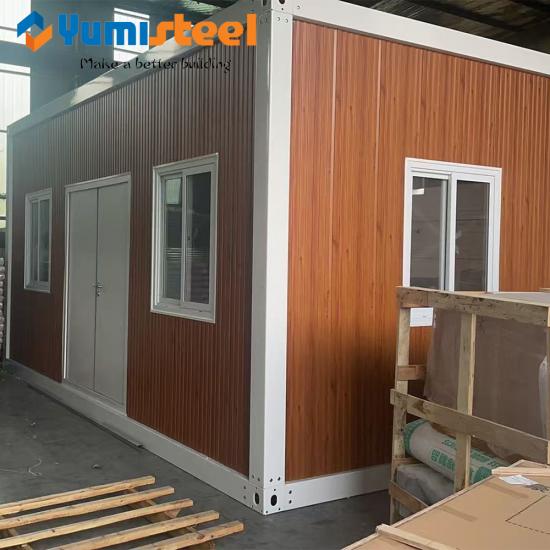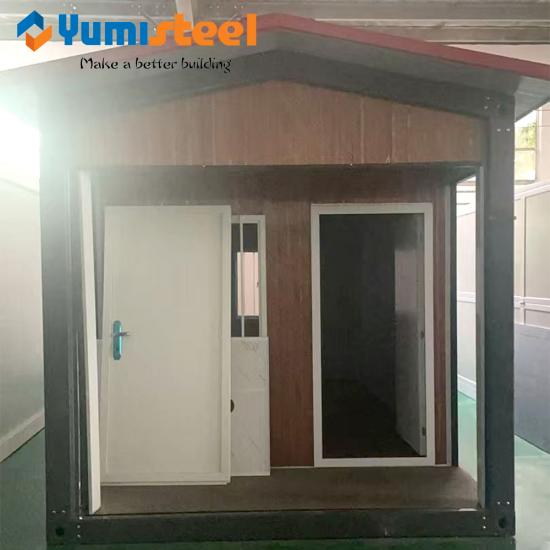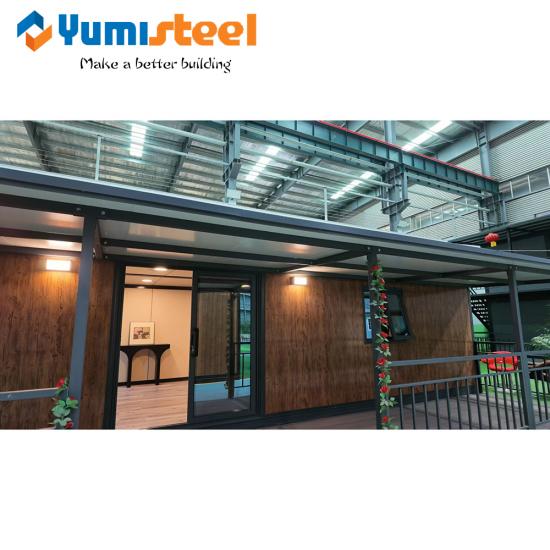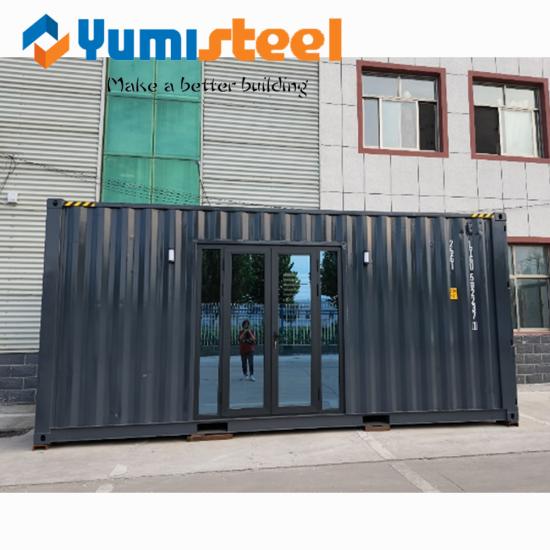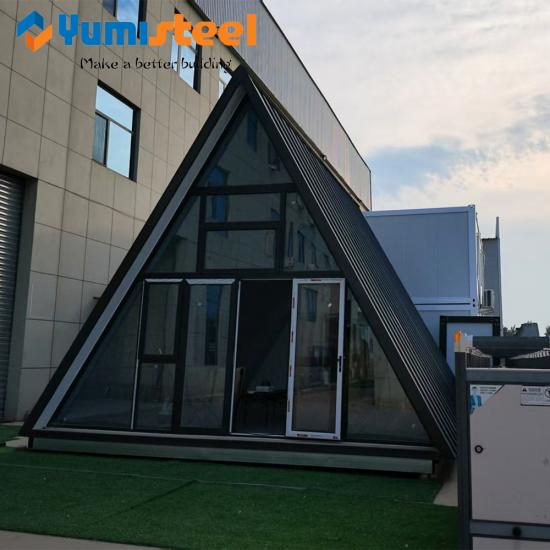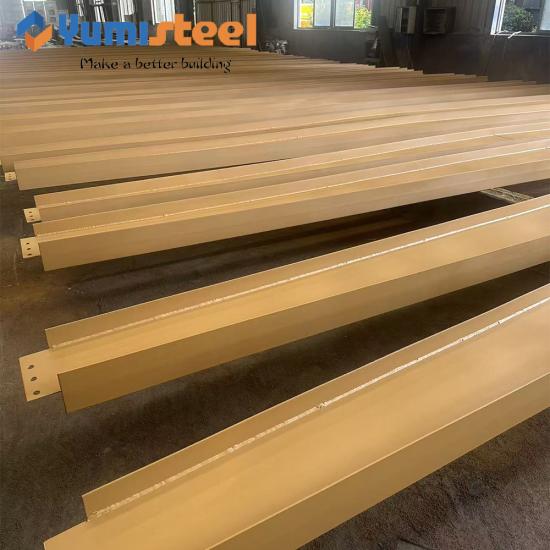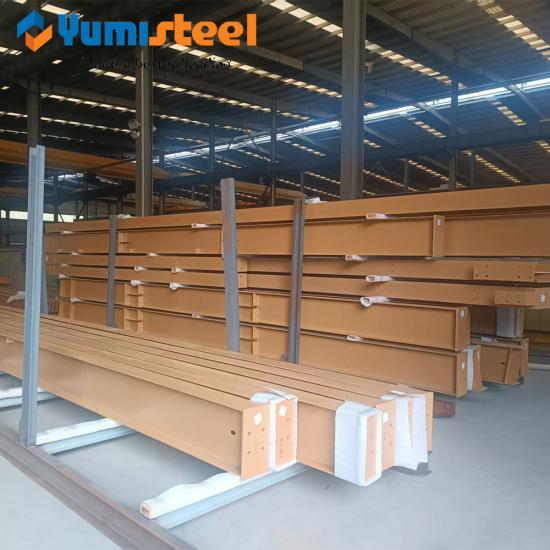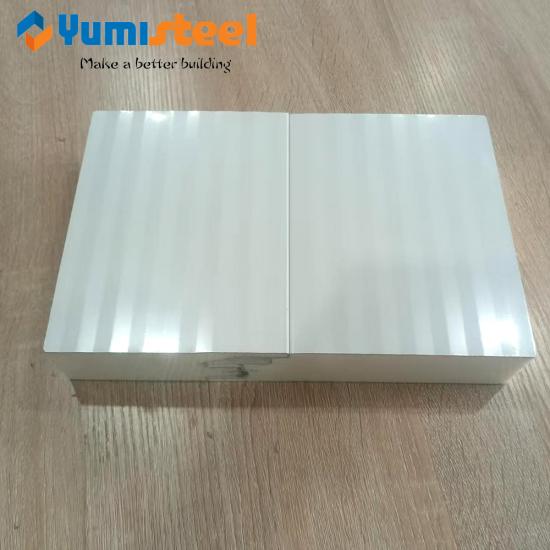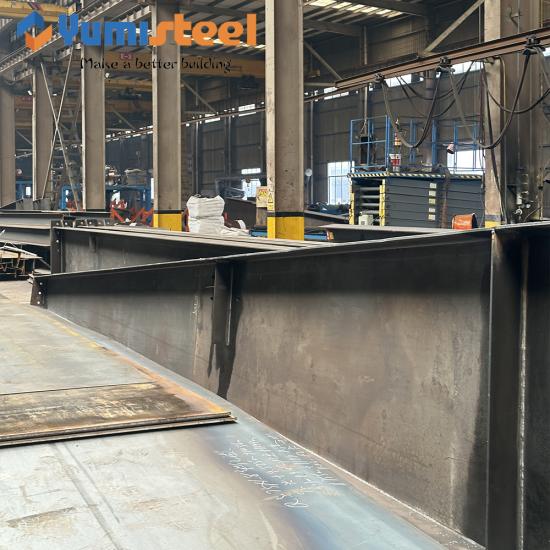

Quando se trata de renovação, construção de fábricas e montagem de estruturas temporárias, a escolha dos materiais de construção impacta diretamente a eficiência da construção, a experiência do usuário e os custos a longo prazo. Como material compósito moderno, o painel sanduíche de poliuretano (PU) e lã de rocha está substituindo gradualmente certos materiais tradicionais graças à sua natureza leve, alto desempenho e design multifuncional. No entanto, não é uma solução universal; a seleção deve ser baseada em cenários de aplicação específicos. Este artigo compara painéis sanduíche de PU/lã de rocha com paredes de tijolo e placas de gesso, analisando seus principais prós, contras e casos de uso ideais — para ajudar você a tomar uma decisão rápida e informada.
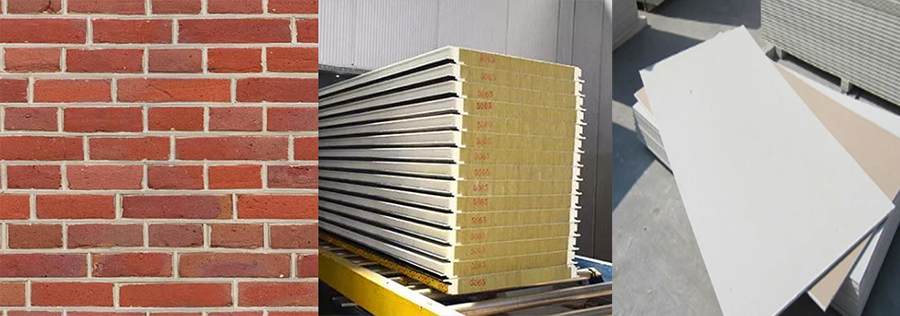
Painéis sanduíche vs. tijolo vs. placa de gesso
|
Dimensão de comparação |
Parede de tijolos |
Placa de gesso |
Painel sanduíche de poliuretano-lã de rocha |
|
Aplicações típicas |
Principais paredes estruturais, edifícios permanentes |
Paredes divisórias internas secas e tetos |
Paredes divisórias, paredes externas sem função estrutural, telhados, solários, fábricas, instalações de cadeia fria, cozinhas, banheiros e aplicações externas |
|
Eficiência da construção |
Processo complexo (assentamento de tijolos, cura, reboco); ~20–30 m²/dia |
Relativamente rápida, mas requer estrutura, placas e acabamento de juntas |
Painéis pré-fabricados, encaixe direto; 100–150 m²/dia, 3–5× mais rápido que tijolos |
|
Isolamento térmico e acústico |
Médio; requer camada adicional de isolamento |
Ruim; praticamente sem isolamento térmico |
Excelente (núcleo integrado de lã de rocha/poliuretano); desempenho térmico 2–3× melhor que o tijolo |
|
Resistência à umidade e à água Moderada |
Moderada; propensa a eflorescência e descascamento em condições prolongadas de umidade |
Ruim — deforma-se e degrada-se facilmente; inadequada para áreas externas ou úmidas |
Excelente (revestimentos de aço/alumínio); impermeável, resistente a impactos, adequada para áreas externas e zonas úmidas |
|
Classificação de resistência ao fogo |
Classe A (não combustível) |
Classe B (combustível) para o padrão; Classe A disponível para versões especiais |
Núcleo de lã de rocha: Classe A (não combustível); núcleo de poliuretano: Classe B (melhor resistência à umidade) |
|
Capacidade de suporte de carga |
Alta — adequada para paredes estruturais de suporte de carga |
Baixa — apenas divisórias sem função estrutural |
Baixa — apenas divisórias sem função estrutural e paredes-cortina |
|
Flexibilidade de design (modelagem) |
Quase nenhuma |
Excelente — baixo custo, fácil de cortar; ideal para tetos curvos e formatos complexos |
Moderada; modelagem limitada, requer ferramentas de corte especializadas |
|
Funcionalidade integrada |
Função única (fechamento + estrutura) |
Função única (fechamento + decoração) |
Multifuncional – integra isolamento térmico, isolamento acústico, impermeabilização e acabamento superficial |
|
Custo geral |
Moderado–alto (material + mão de obra + isolamento adicional) |
Baixo – altamente econômico |
Maior custo de material, mas menor tempo de instalação e sem necessidade de camada adicional de isolamento; custo geral |
|
Recomendação de seleção |
Escolha se precisar de capacidade estrutural de suporte de carga e durabilidade a longo prazo |
Escolha para espaços internos secos, projetos com orçamento limitado ou formatos complexos de teto |
Escolha para ambientes úmidos/externos, cronogramas apertados ou quando forem necessários isolamento e resistência ao fogo |
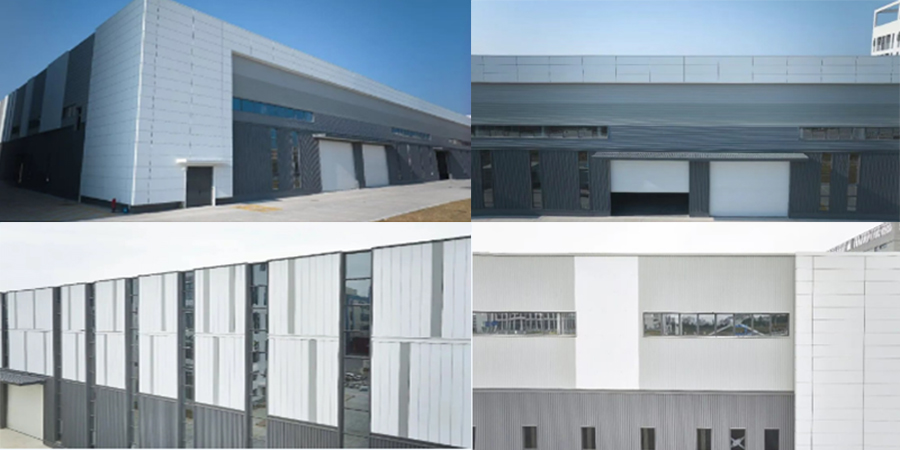
Em resumo, os painéis sanduíche se destacam pela rapidez, isolamento e adaptabilidade à umidade e ao fogo, tornando-os perfeitos para exteriores de fábricas, telhados, cabines portáteis, divisórias residenciais, solários, câmaras frias e estúdios com isolamento acústico. Evite-os para paredes estruturais de suporte de carga, abrigos de orçamento extremamente baixo ou formatos complexos de tetos de baixo custo, onde a placa de gesso é uma opção melhor. Combine o material com as necessidades reais do seu projeto e você economizará tempo, dinheiro e preocupações.
Para mais informações ou qualquer dúvida, fique à vontade para entrar em contato com a equipe da Yumisteel.
anos de experiência



 serviço on-line
 +86-592-6095031
 manager@yumisteel.com
 Alina_Yuki
 +8613559086380+8615860744964
 português
 English
 русский
 español
 日本語
日本語