
Ao escolher materiais de isolamento para o seu edifício, você costuma se sentir sobrecarregado pelos diversos parâmetros técnicos? Um valor em particular é crucial: o valor R. Como um indicador-chave do desempenho de isolamento das placas de lã de rocha, o valor R determina diretamente o efeito de economia de energia das paredes ou telhados. Mas, afinal, o que é o valor R? Em que nível de valor R se enquadra a lã de rocha? No artigo a seguir, responderemos a essas perguntas uma a uma.
Qual é o valor de R?
O valor R refere-se à resistência térmica por unidade de diferença de temperatura (em graus Fahrenheit) quando a espessura do material isolante é de 1 polegada (25,4 mm) por unidade de área. Ele representa a capacidade do material isolante de impedir a condução de calor; quanto maior o valor R, melhor o desempenho do isolamento.
Qual o valor R das placas de lã de rocha?
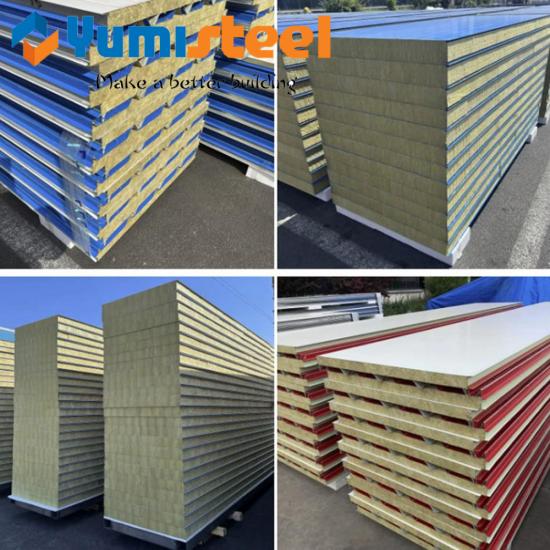
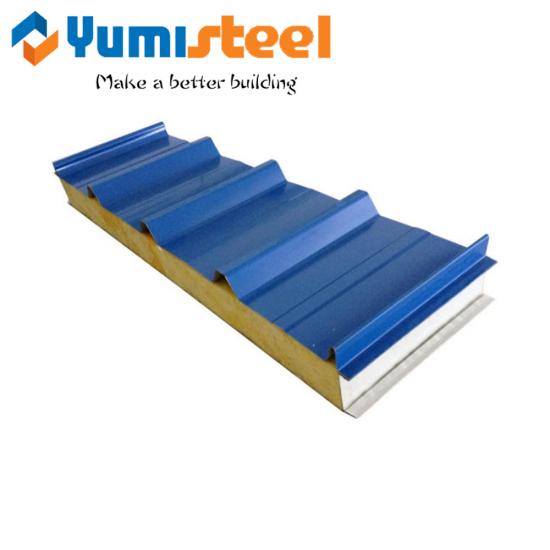
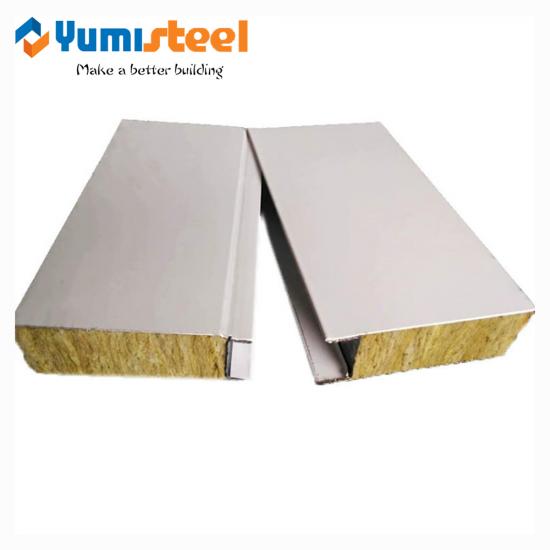
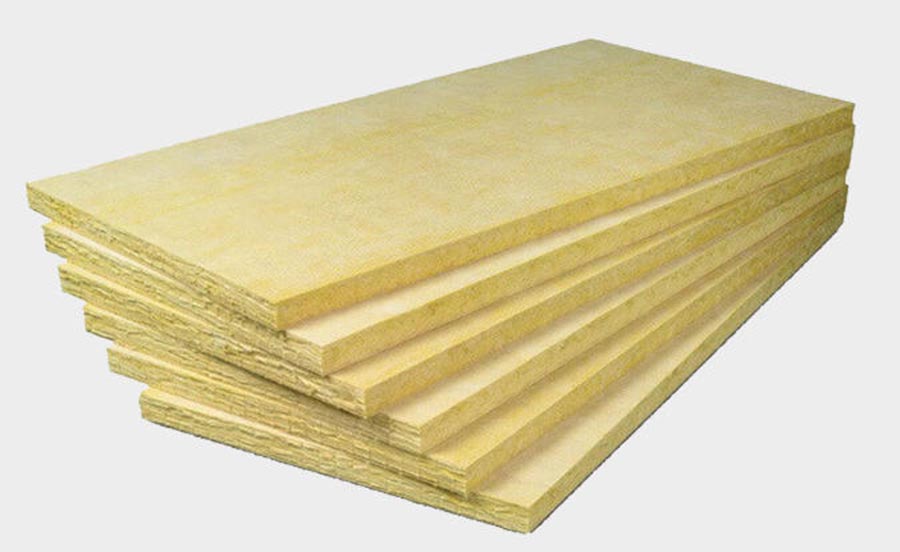
Lã de rocha As placas de isolamento são feitas de fibras fundidas de minerais naturais, e sua estrutura fibrosa possui excelentes propriedades de isolamento. O valor R das placas de isolamento de lã de rocha geralmente varia entre 3,5 e 4,5. Entre os materiais de isolamento comuns para construção, esse valor está em um nível médio a alto. Ele não apenas supera em muito os materiais de isolamento soltos tradicionais, como também mantém uma vantagem sobre alguns materiais de isolamento orgânicos devido à sua resistência térmica estável, atendendo aos requisitos de projeto térmico da maioria dos envelopes de edifícios energeticamente eficientes. Além disso, os painéis sanduíche de lã de rocha oferecem excelente isolamento acústico, reduzindo a transmissão de ruídos e proporcionando um ambiente interno mais confortável.
Quais fatores afetam o valor R das placas de isolamento de lã de rocha?
O desempenho de isolamento das placas de lã de rocha não é fixo; seu valor R depende principalmente das seguintes quatro variáveis:
☆ Densidade: A densidade da placa está positivamente correlacionada com o valor R. Geralmente, uma densidade mais alta significa maior conteúdo de fibras por unidade de volume, espaçamento mais complexo entre as fibras e obstrução mais severa do fluxo de ar, resultando em maior resistência térmica e melhor desempenho de isolamento.
☆Espessura: Este é o fator de influência mais direta. Com densidade e propriedades do material constantes, uma maior espessura significa um caminho mais longo para o calor penetrar no material, aumentando naturalmente a resistência térmica e elevando significativamente o valor R.
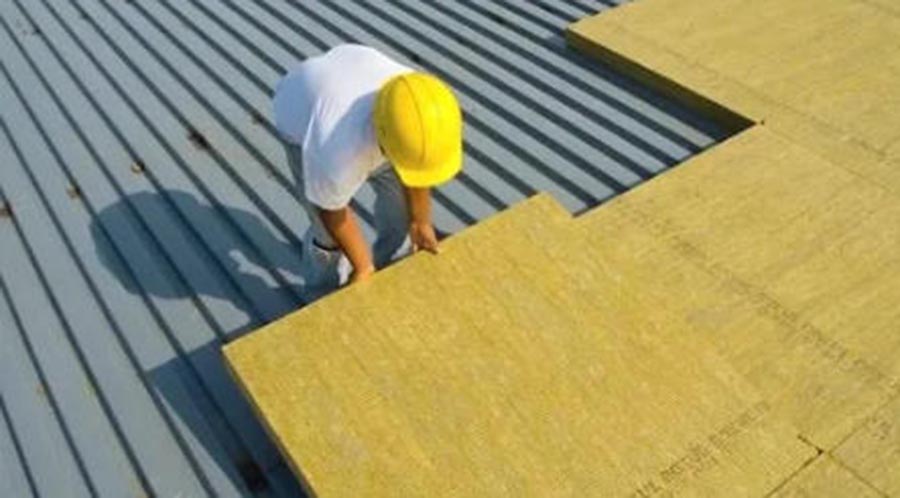
☆Método de Instalação: Se o material e a espessura determinam o "limite superior" do valor R, a instalação determina a "pontuação" final. Técnicas de instalação adequadas (como emendas firmes e assentamento escalonado) podem reduzir efetivamente o efeito de ponte térmica entre os painéis, evitando a perda de calor através de frestas e garantindo que o sistema de isolamento como um todo atinja o valor R projetado.
☆Revestimento de Superfície O tratamento da superfície das placas de lã de rocha é igualmente importante. Alguns materiais com revestimentos refletivos (como folha de alumínio) não só proporcionam isolamento básico, como também refletem parte da radiação térmica, adicionando efetivamente uma barreira térmica extra ao edifício e melhorando ainda mais o desempenho geral do isolamento.
O valor R não só afeta as contas de eletricidade, como também determina diretamente o conforto térmico interno. A excelente resistência térmica das placas de lã de rocha permite que elas amortecem eficazmente o impacto das mudanças drásticas de temperatura externa no interior. Seja para um aquecimento constante no inverno ou para um frescor duradouro no verão, o suporte para isso reside no coeficiente de resistência térmica estável e elevado do material. Isso permite que os edifícios alcancem o ideal de serem "quentes no inverno e frescos no verão".
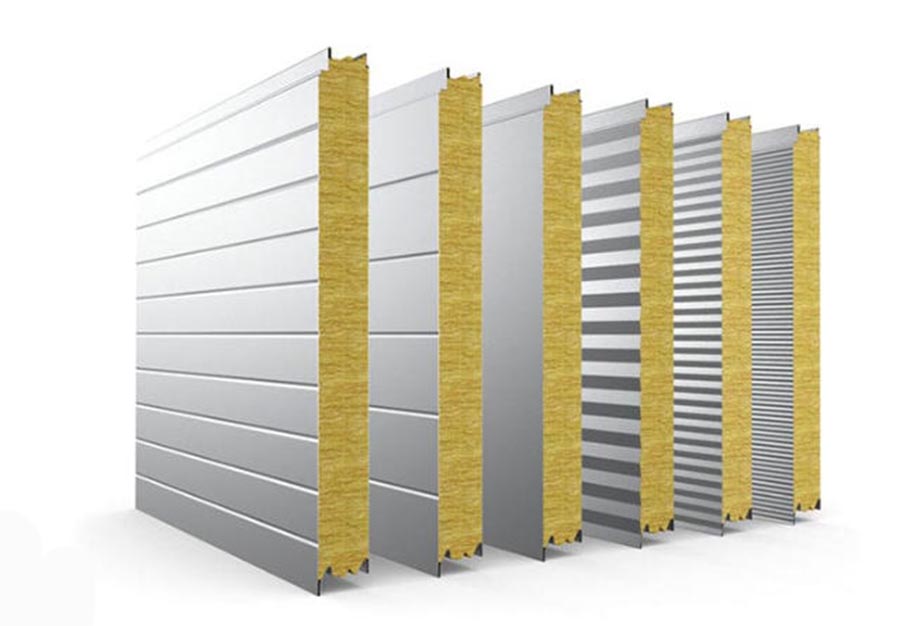
Em resumo, o valor R das placas de isolamento de lã de rocha é o principal parâmetro para medir seu desempenho de isolamento. Com seu alto coeficiente de resistência térmica, ela bloqueia eficazmente a transferência de calor, reduzindo o consumo de energia e as emissões de carbono dos edifícios, ao mesmo tempo que cria um ambiente interno confortável e seguro. É esse duplo valor de "economia de energia" e "conforto" que torna as placas de isolamento de lã de rocha uma opção insubstituível e promissora para futuras aplicações de isolamento em edifícios.
Para obter mais informações ou esclarecer quaisquer dúvidas, entre em contato com a equipe da Yumisteel.
anos de experiência



 serviço on-line
 +86-592-6095031
 manager@yumisteel.com
 Alina_Yuki
 +8613559086380+8615860744964
 português
 English
 русский
 español
 日本語
日本語