Na construção industrial, a escolha entre um telhado de uma água e um telhado de duas águas é uma decisão fundamental que impacta o projeto e o desempenho das instalações. Essas formas estruturais oferecem vantagens distintas em termos de funcionalidade e custo-benefício, abordando diretamente fatores críticos como adaptação climática, uso de materiais e logística espacial. Esta análise explora as principais aplicações e considerações para sistemas de telhado de uma água versus telhado de duas águas em edifícios industriais modernos.
Telhado de uma só água
☆ Definição
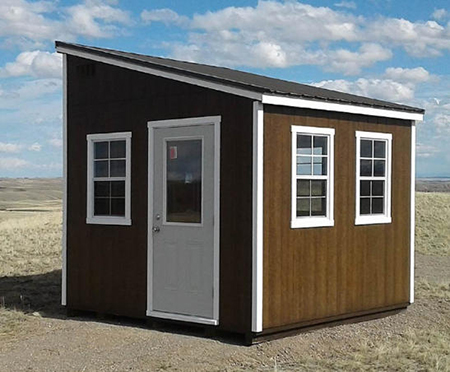
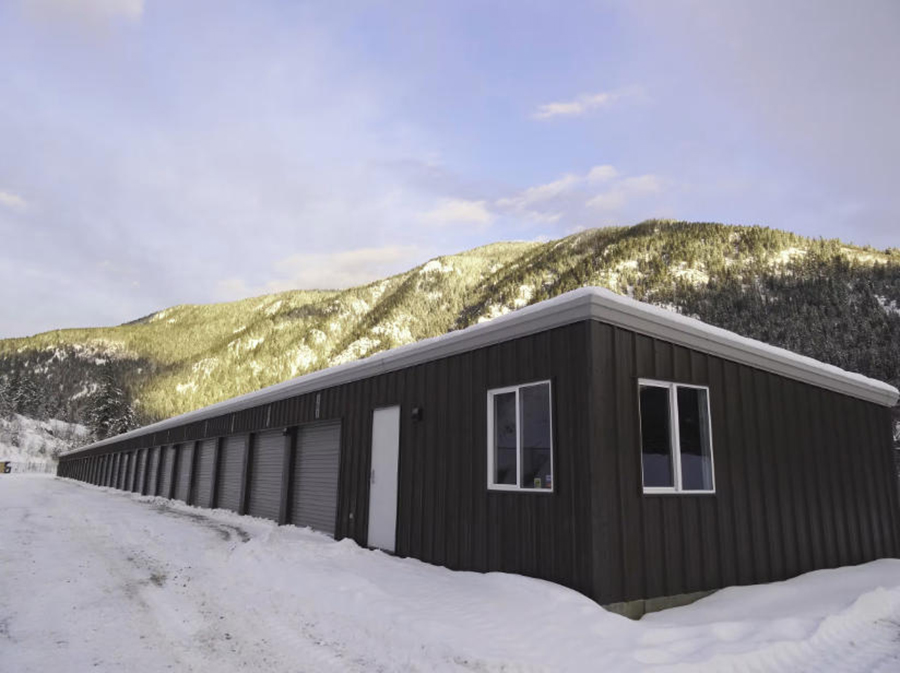
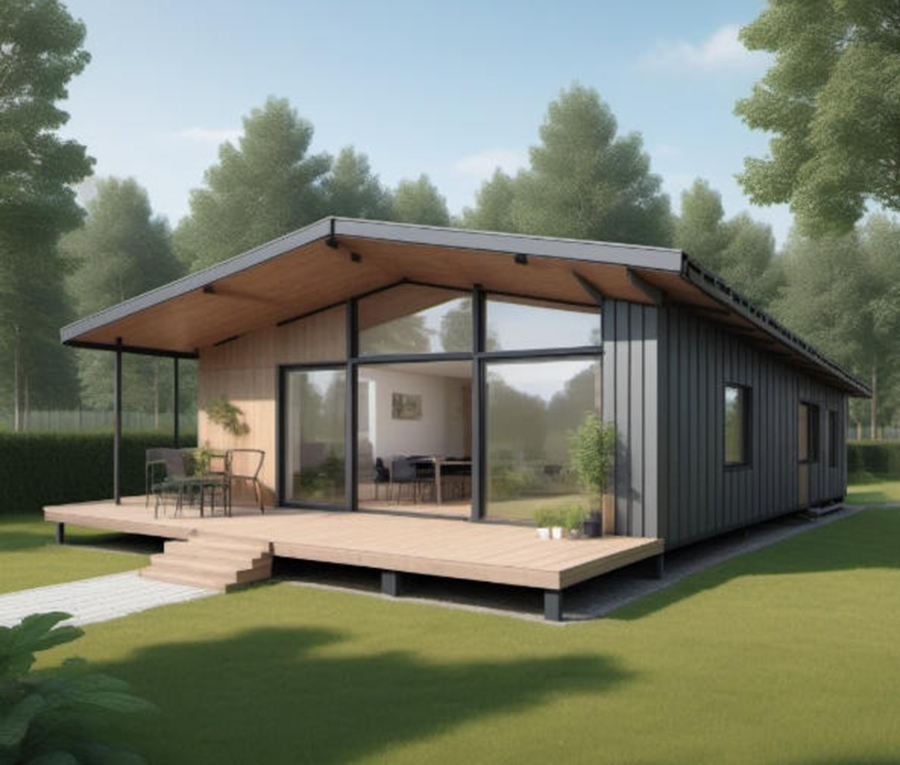
Um telhado de uma água, também conhecido como telhado de uma água, é um sistema de cobertura simples onde a superfície se inclina em uma direção, de uma parede mais alta para uma mais baixa. Normalmente construído com elementos estruturais primários, como vigas ou treliças, que suportam um revestimento, ele proporciona drenagem eficiente, construção econômica e vão livre adaptável para edifícios industriais ou comerciais.
☆ Vantagens
• Alto aproveitamento do espaço
Um telhado de uma só água elimina a obstrução de beirais duplos, maximizando o espaço horizontal útil das paredes. Isso permite a instalação direta de equipamentos de grande porte ou claraboias contínuas na empena alta, aumentando a flexibilidade do layout interno e a iluminação natural.
• Custo de construção reduzido
Este projeto requer apenas terças de um lado e um sistema de drenagem simplificado. Comparado a um telhado de duas águas, reduz o uso de aço estrutural em aproximadamente 15% a 20%, oferecendo economia significativa em custos de material e mão de obra.
• Estética limpa e estilo moderno
Sua forma simples e aerodinâmica é uma característica marcante da arquitetura industrial moderna. O perfil de inclinação única é ideal para parques tecnológicos e campi com diretrizes estéticas rigorosas, proporcionando uma aparência visualmente elegante e contemporânea.
☆ Desvantagens
• Eficiência de drenagem limitada
Com apenas uma inclinação para drenagem, este projeto de telhado tem menor capacidade de drenagem e é propenso ao acúmulo de água em regiões de chuvas intensas, aumentando o risco de vazamentos e danos causados pela água ao longo do tempo.
• Necessidade potencial de reforço eólico
A parede alta do telhado de duas águas geralmente requer reforço estrutural adicional, como contraventamento diagonal de aço, para evitar deformações causadas por ventos fortes, especialmente em áreas propensas a tufões, como as Filipinas.
☆ Aplicativo
Telhados de uma só água são ideais para zonas industriais áridas, como as fábricas petroquímicas do Oriente Médio, com precipitação anual inferior a 100 mm, reduzindo o consumo de materiais. São adequados para grandes vãos de armazenamento em armazéns de grãos no Texas, permitindo amplas portas de acesso. Projetos modulares possibilitam rápida expansão em fábricas de eletrônicos no Sudeste Asiático. No entanto, a baixa eficiência de drenagem limita seu uso em regiões chuvosas, e o reforço das empenas é essencial em áreas com ventos fortes, como as Filipinas.
Telhado de duas águas
☆ Definição
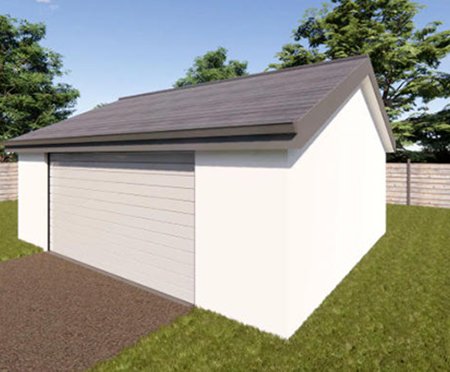
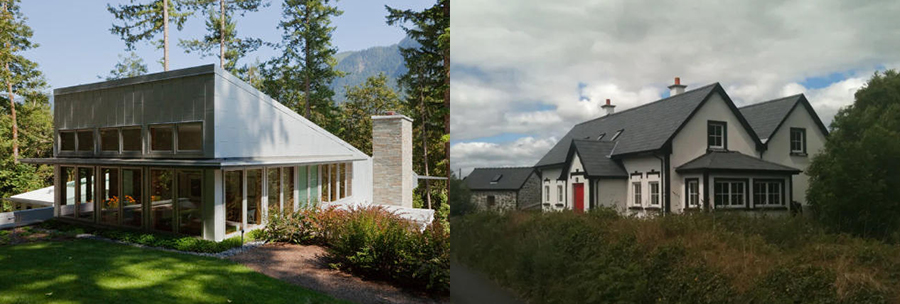
Um telhado de duas águas, também conhecido como telhado de duas águas, é um projeto de telhado simétrico formado por dois lados opostos inclinados em ângulos iguais, tipicamente entre 25° e 30°. ° -30 ° Para edifícios industriais. Esta estrutura clássica e estável proporciona drenagem de água eficiente em duas direções, um grande volume interno para vãos livres e integridade estrutural robusta para desempenho a longo prazo.
☆ Vantagens
• Eficiência de drenagem superior
Um telhado de duas águas oferece escoamento rápido e bilateral da água da chuva, canalizando-a eficazmente por ambas as encostas. Este projeto proporciona uma capacidade de drenagem mais de 50% superior à de um sistema de uma única água em regiões de chuva intensa, minimizando o risco de infiltrações ou alagamentos.
• Estabilidade estrutural aprimorada
Esta estrutura de cobertura simétrica apresenta terças distribuídas uniformemente e transmite as cargas através de colunas principais de aço em ambos os lados. O projeto equilibrado proporciona estabilidade geral superior e maior resistência à ação do vento e a forças sísmicas, especialmente em zonas ativas.
• Funcionalidade integrada
O design inclinado de um telhado de duas águas permite a integração perfeita de elementos funcionais. Faixas de luz para iluminação natural e ventiladores de telhado para dissipação de calor podem ser instalados ao longo das inclinações, combinando eficiência operacional com conforto para os trabalhadores.
☆ Desvantagens
• Custos mais elevados de materiais e construção
A estrutura de telhado de duas águas requer mais treliças, terças e materiais de cobertura em comparação com um projeto de uma única água, o que leva a custos iniciais de construção mais elevados e a um cronograma de instalação mais longo e complexo.
• Limitações de acesso pela empena e expansão modular
O design simétrico restringe a colocação de grandes aberturas de acesso nas empenas, o que pode dificultar a logística. Também é menos adequado para expansão horizontal modular da planta em comparação com unidades de telhado inclinado simples que podem ser facilmente adicionadas lado a lado.
☆ Aplicativo
Os telhados de duas águas são ideais para aplicações industriais exigentes. Sua drenagem eficiente é crucial em climas chuvosos ou com neve, como se observa em fábricas de automóveis europeias. A estrutura estável suporta cargas pesadas e altos padrões de isolamento, como nas fábricas de precisão japonesas. Também integra facilmente recursos sustentáveis, como painéis solares no telhado, para certificações de construção verde.
|
|
|
|
Telhado de uma só água |
Telhado de duas águas |
|
Ideal para climas secos (pouca precipitação). |
Ideal para climas chuvosos/com neve. |
|
Utiliza menos material, reduzindo o custo. |
O sistema de drenagem eficiente em ambos os lados evita vazamentos. |
|
Permite grandes aberturas na parte superior. |
Cria uma estrutura simétrica e estável. |
|
Fácil de expandir modularmente |
Ideal para vãos amplos e espaços interiores desimpedidos. |
|
Necessita de reforço na empena para resistir ao vento. |
Geralmente, os custos de material e construção são mais elevados. |
Em última análise, a escolha entre um telhado de uma só água e um de duas águas depende do clima específico e das necessidades operacionais. Priorize um telhado de uma só água para projetos modulares e econômicos em regiões secas. Opte por um telhado de duas águas quando a drenagem superior, a estabilidade e a integração de recursos sustentáveis forem fundamentais.
Se você tiver alguma dúvida , por favor, entre em contato com Yumisteel Equipe para soluções personalizadas! Obrigado!
anos de experiência



 serviço on-line
 +86-592-6095031
 manager@yumisteel.com
 Alina_Yuki
 +8613559086380+8615860744964
 português
 English
 русский
 español
 日本語
日本語