Em telhado de metal Na instalação, a sobreposição dos painéis é uma etapa crucial que determina o sucesso ou o fracasso do sistema. Essa operação aparentemente simples é frequentemente mal compreendida e simplificada. Muitas pessoas não percebem que a sobreposição adequada é a principal garantia da impermeabilização do telhado. Qualquer operação inadequada, como sobreposição insuficiente, vedação deficiente ou fixadores desalinhados, pode levar a vazamentos, danos causados pelo vento e falha no isolamento. Este guia explicará os pontos-chave da sobreposição adequada, ajudando você a garantir a confiabilidade do seu telhado a longo prazo desde a sua origem.
Por que a sobreposição do telhado metálico é importante?
As telhas metálicas exigem sobreposição principalmente devido a duas necessidades básicas:
☆ O tamanho limitado dos painéis individuais exige emendas horizontais e verticais para cobrir todo o telhado;
☆ A estrutura de sobreposição proporciona uma barreira impermeável crucial para as juntas.
Ao empilhar o painel superior sobre o inferior, a água da chuva é direcionada para baixo, impedindo que se infiltre nas juntas, prevenindo vazamentos e protegendo a estrutura do edifício. Além disso, esse método de sobreposição aumenta a resistência geral do telhado ao vento e contribui para uma aparência organizada e esteticamente agradável.
Quais são os métodos para sobreposição de telhados de aço?
A instalação de painéis de cobertura de aço envolve principalmente dois tipos básicos de sobreposição: sobreposição lateral e sobreposição de extremidade. A sobreposição lateral garante a conexão dos painéis lado a lado ao longo da largura da cobertura, enquanto a sobreposição de extremidade resolve a questão da extensão dos painéis ao longo da inclinação do telhado. Juntos, esses dois métodos são essenciais para a impermeabilização e a estabilidade estrutural da cobertura.
|
|
|
|
Sobreposições laterais: Garantindo conexões lado a lado |
Sobreposições finais: Aumentando o comprimento |
|
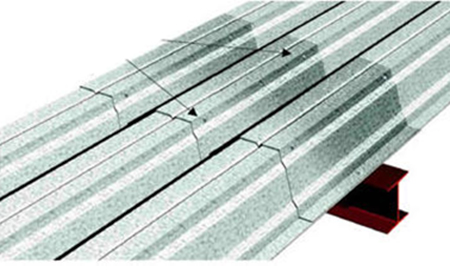
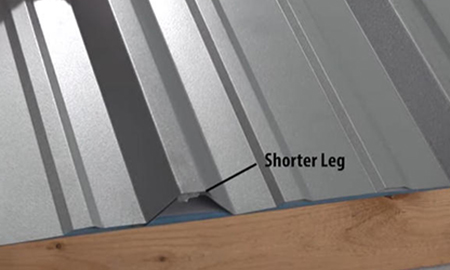
As sobreposições laterais referem-se à junção horizontal dos painéis ao longo da cobertura. A quantidade de sobreposição depende da ondulação ou do perfil da nervura do painel. Por exemplo, painéis ondulados comuns requerem pelo menos uma sobreposição em uma calha, enquanto painéis tipo caixa geralmente requerem uma sobreposição em uma nervura. Em condições normais, essa sobreposição é suficiente, mas em áreas com ventos fortes, a sobreposição pode ser aumentada para melhorar a resistência geral ao vento e à chuva.
|
Quando o comprimento do telhado excede o de um único painel, são necessárias sobreposições nas extremidades, onde o painel superior é empilhado sobre o inferior ao longo da inclinação. Geralmente, recomenda-se um comprimento mínimo de sobreposição de 150 mm para telhados com inclinação superior a 10°. ° Para inclinações de telhado mais suaves, essa medida deve ser estendida para 200 mm ou mais, complementada com fita de vedação ou selante para garantir a impermeabilização duradoura das juntas longitudinais.
|
O comprimento de sobreposição dos painéis de cobertura metálica precisa ser determinado com base em uma combinação de fatores, incluindo a inclinação do telhado, o perfil do painel e as condições climáticas locais.
|
Inclinação do telhado |
Telhados com inclinação acentuada facilitam o escoamento da água, permitindo sobreposições menores. Telhados com inclinação suave exigem sobreposições maiores para evitar o acúmulo de água. |
|
Perfil do painel |
A profundidade e o desenho do perfil do painel afetam a eficiência da drenagem. |
|
Condições meteorológicas |
Em áreas com ventos fortes, chuvas intensas ou nevascas, é melhor aumentar o comprimento da sobreposição para reforçar as juntas. |
A prática geral é a seguinte: as sobreposições laterais têm normalmente a largura de uma ondulação ou nervura; recomenda-se que as sobreposições nas extremidades sejam de pelo menos 150 mm para taludes. ≥ 10 ° e deve ser aumentada para mais de 200 mm em declives mais suaves ou áreas com chuva e neve frequentes. Para maior confiabilidade, as especificações técnicas do fabricante devem ser seguidas.
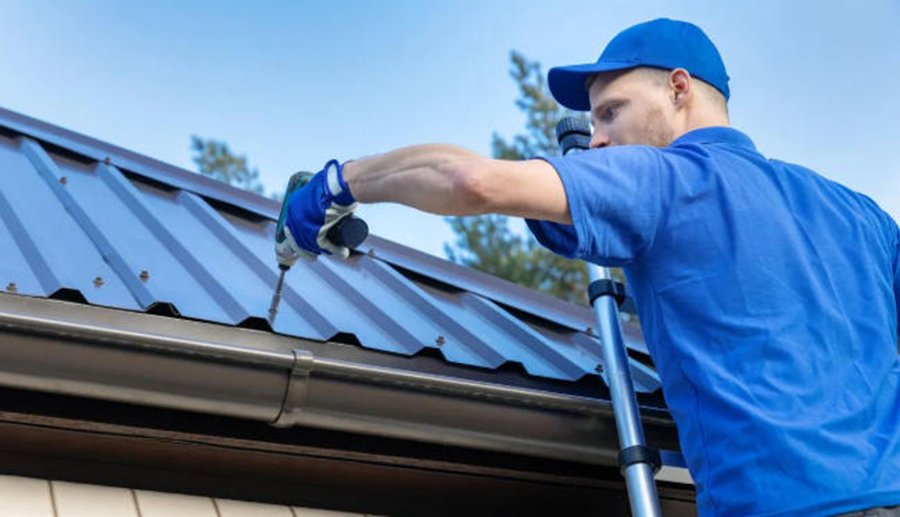
Para garantir a resistência das sobreposições de painéis de telhado metálico, a chave está em métodos de fixação adequados, medidas de vedação necessárias e em evitar erros comuns.
1. Procedimento de Fixação Padronizado
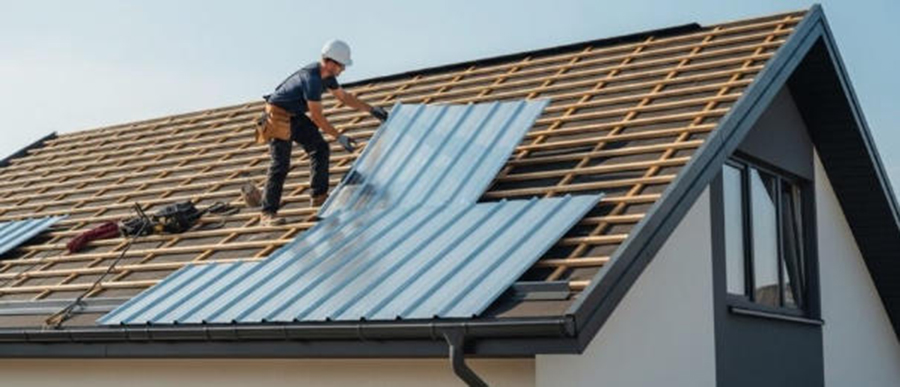
A instalação deve ser feita da beira do telhado para o cume, com os painéis colocados a favor do vento.
Utilize parafusos autoatarraxantes com arruelas impermeáveis para fixar a chapa metálica à terça inferior, começando pela crista da ondulação. Certifique-se de que ambas as extremidades da sobreposição estejam firmemente apertadas. Para grandes vãos ou chapas espessas, fixadores adicionais devem ser instalados nas sobreposições laterais de acordo com as especificações, ou furos pré-perfurados para evitar deformações.
2. Utilize os materiais de vedação corretamente.
Em áreas com pouca inclinação ou sujeitas a ventos fortes, a sobreposição mecânica por si só é insuficiente para garantir a impermeabilização. Deve-se utilizar fita de vedação butílica nas extremidades das sobreposições, formando uma vedação eficaz após o aperto dos parafusos. Caso utilize selantes de silicone, assegure-se de que sejam compatíveis com a chapa metálica e aplique-os em linha reta e contínua para evitar o entupimento dos canais de drenagem.
3. Evite erros comuns de instalação
Evite sobreposições insuficientes para economizar material e certifique-se de que as chapas estejam empilhadas corretamente (chapa de cima sobre a de baixo). Aperte os parafusos moderadamente; apertá-los em excesso causará deformação da chapa e falha na vedação. Além disso, nunca omita medidas de vedação em telhados com pouca inclinação e certifique-se de que a direção da instalação siga, e não se oponha, à direção predominante do vento.
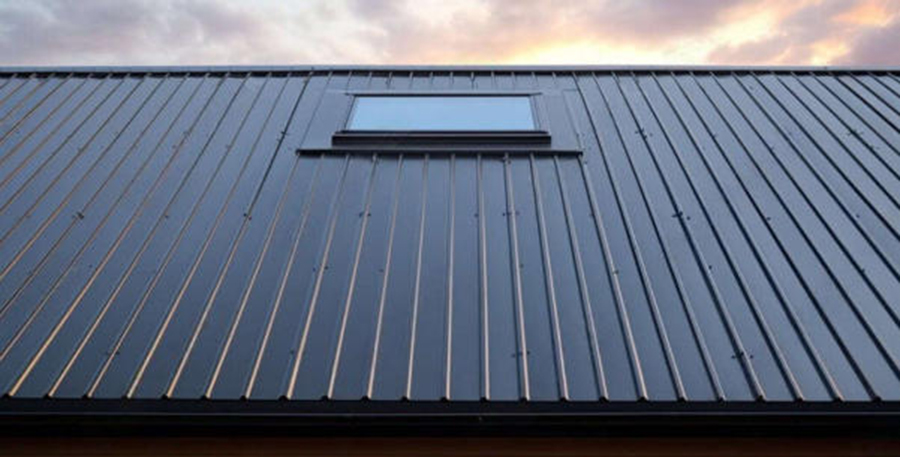
A sobreposição dos painéis de aço do telhado é um fator crucial que determina o desempenho e a vida útil da cobertura. Compreender corretamente as dimensões e os métodos de fixação para as sobreposições laterais e de extremidade é essencial para obter impermeabilização duradoura e estabilidade estrutural. Seja uma garagem simples ou um telhado complexo, uma instalação bem-sucedida começa com o controle preciso desse detalhe crítico da sobreposição.
Se você tiver alguma dúvida , Entre em contato com a equipe da Yumisteel para soluções personalizadas! Obrigado!
anos de experiência



 serviço on-line
 +86-592-6095031
 manager@yumisteel.com
 Alina_Yuki
 +8613559086380+8615860744964
 português
 English
 русский
 español
 日本語
日本語