
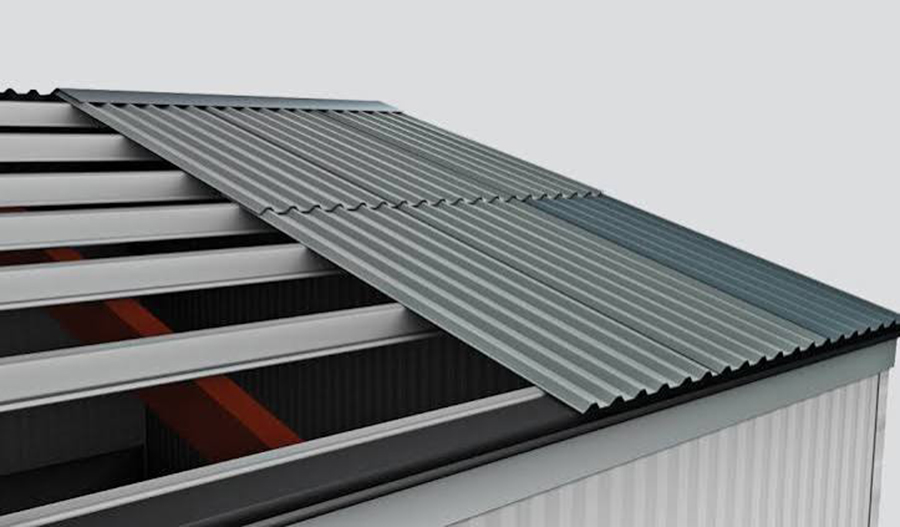
As chapas de aço corrugado surgiram no início do século XIX como uma solução prática de cobertura para edifícios industriais. O seu design simples de perfilagem tornou-as acessíveis e amplamente disponíveis, tornando-se rapidamente o padrão para armazéns, fábricas e estruturas agrícolas em todo o mundo.
Os painéis sanduíche são uma inovação relativamente moderna, ganhando destaque nas décadas de 1960 e 1970 com os avanços na tecnologia de espuma de poliuretano. O conceito de colar espuma isolante entre dois revestimentos metálicos revolucionou os envelopes dos edifícios ao combinar estrutura, isolamento e acabamento num único componente produzido em fábrica. Os painéis com encaixe nos quatro lados de hoje representam a evolução mais recente, oferecendo uma estética próxima de fachadas cortina e um desempenho térmico superior.
|
Aspeto |
Chapa de Aço Corrugado |
Painel Sanduíche |
|
Núcleo |
Nenhum, camada única de aço |
Espuma rígida (EPS, PU/PIR) ou lã de rocha |
|
Revestimentos |
Aço galvanizado ou revestido a cor |
O mesmo, além de acabamentos premium disponíveis |
|
Tipo de Junta |
Sobreposição simples ou junta agrafada |
Encaixe macho-fêmea nos quatro lados |
|
Vedação Integrada |
Não, requer aplicação separada de vedante |
Sim, fitas de vedação pré-instaladas em todas as arestas |
|
Ação Estrutural |
Aço conformado a frio de camada única |
Ação composta entre revestimentos e núcleo |
As chapas de aço corrugado são essencialmente painéis metálicos de pele única sem isolamento inerente. A sua resistência provém apenas do perfil nervurado criado durante a perfilagem. Os painéis sanduíche, pelo contrário, alcançam uma ação composta; os revestimentos metálicos e o núcleo de espuma trabalham em conjunto, aumentando significativamente a rigidez geral e a distribuição de carga.
Sistema de Chapa de Aço Corrugado (Multicamada):
Layout e dimensionamento
Marcação de linhas de referência na estrutura de suporte
Instalação da chapa de revestimento interior (se especificado)
Colocação da camada de isolamento – placas rígidas ou isolamento em manta entre terças
Instalação da chapa exterior – fixada com fixadores expostos
Os fixadores expostos (cabeças de parafuso visíveis) são característicos da instalação de chapas corrugadas. Cada penetração de parafuso cria um potencial caminho de infiltração. Mesmo com anilhas de borracha, a exposição prolongada às intempéries acaba por degradar a vedação, levando a riscos de fugas. A instalação é intensiva em mão de obra, sendo necessários vários ofícios para cada camada.
Sistema de Painel Sanduíche (Camada Única):
Layout e dimensionamento
Marcação de linhas de referência na estrutura de suporte
Instalação direta de painéis – painéis montados em fábrica fixados às terças usando fixadores ocultos
A conexão macho-fêmea tipo lingueta e ranhura cria um sistema de fixação oculto. Parafusos autorroscantes são instalados através da borda fêmea do painel, ocultos pela borda macho sobreposta do painel seguinte. Esta instalação com "parafuso oculto" elimina fixadores expostos, reduzindo caminhos de vazamento e criando uma aparência mais limpa. A detecção de vazamentos é mais simples devido a menos pontos de entrada potenciais.
|
Parâmetro |
Chapa de Aço Ondulada |
Painel Sanduíche |
|
Etapas de Instalação |
3 a 5 camadas separadas |
1 etapa única |
|
Mão de Obra Necessária |
100 m² / 5 trabalhadores |
100 m² / 2,5 trabalhadores |
|
Produtividade |
Menor, processo fragmentado |
Maior, produto de fábrica integrado |
|
Dependência Climática |
Alta, múltiplas camadas expostas |
Moderada, instalação de camada única |
A natureza fragmentada da instalação de chapas onduladas estende significativamente os cronogramas do projeto. Cada camada requer sua própria configuração, verificações de qualidade e coordenação entre os ofícios. Os painéis sanduíche, sendo produtos compostos de fábrica, são instalados em uma operação contínua, reduzindo tanto os requisitos de mão de obra quanto a duração da construção em aproximadamente 50%.
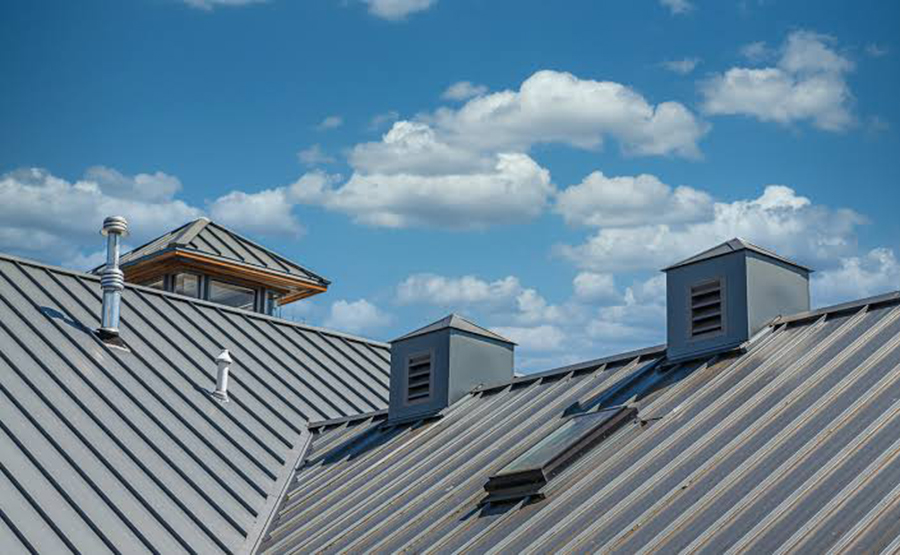
A manutenção do envelope do edifício abrange quatro aspectos: inspeção de rotina, renovação de selante, monitoramento da condição da superfície e intervalos de revisão abrangentes.
|
Aspecto de Manutenção |
Chapa de Aço Ondulada |
Painel Sanduíche |
|
Inspeção de Rotina |
Anualmente |
A cada 3 anos |
|
Renovação de Selante |
Frequente, selantes expostos degradam-se rapidamente |
Menos frequente, ranhuras seladas protegem os selantes |
|
Condição da Superfície |
Suscetível a mossas e deformações |
Melhor resistência ao impacto |
|
Ciclo de Revisão Geral |
Vida útil mais curta |
Vida útil mais longa |
|
Manutenção Típica Intervalo |
~1 ano |
~3 anos |
Sistemas ondulados exigem atenção anual devido a fixadores expostos e selantes que se deterioram sob exposição UV e ciclos térmicos. Painéis sanduíche, com fixadores ocultos e tiras de vedação protegidas, mantêm a integridade por períodos mais longos, reduzindo significativamente os custos de manutenção ao longo da vida útil do edifício.
Chapas de Aço Onduladas:
Fraca resistência à flexão – capacidade de vão limitada
Sem terças suficientes, desenvolve facilmente deformações de ondulação (oil-canning)
Espaçamento típico de terças de telhado: ≤ 1,5m
Superfícies de aço finas suscetíveis a mossas e depressões por impacto
Capacidade de compressão vertical quase zero
A emenda de camada única cria inúmeras juntas e uniões
Baixa integridade geral
Construção leve – vulnerável à sucção de vento em bordas expostas
A construção multicamadas cria, na verdade, pontes térmicas onde fixadores e suportes contornam as camadas de isolamento
Eficiência térmica limitada sem isolamento adicional
Painéis Sanduíche:
Forte resistência à flexão – núcleo e revestimentos trabalham de forma composta
Rigidez geral dramaticamente aprimorada
O espaçamento das terças do telhado pode chegar a 2,5–4,0m
Revestimentos de aço + núcleo amortecem contra impactos – resistência superior a danos
Núcleos de EPS/PU/PIR/lã de rocha fornecem capacidade de compressão vertical – adequados para aplicações em paredes de suporte de carga
Painéis compostos de fábrica mantêm superfícies planas e estáveis
Alta estabilidade geral – excelente resistência à sucção de vento
Desempenho sísmico superior em construção pré-fabricada
A eficiência térmica é intrínseca – o núcleo de isolamento fornece resistência térmica contínua com pontes térmicas mínimas
Opções de Material de Base – Ambos os Sistemas:
Tanto as chapas onduladas quanto os painéis sanduíche oferecem opções de material de base semelhantes:
Aço revestido com poliéster (PE)
Aço revestido com PVDF (fluorocarbono)
Gama de cores abrangente: branco off-white, azul marinho, branco marfim, cinza carvão, cinza antigo e cores RAL personalizadas
Chapas de Aço Onduladas:
Limitado a perfis ondulados formados por rolos – não é possível obter superfícies planas
Expressão decorativa restrita a cores e revestimentos de superfície
Instalado principalmente na orientação vertical
A qualidade visual depende fortemente da habilidade do instalador
Percebido como utilitário ou de aparência "industrial"
Emendas e fixadores expostos são visíveis
Painéis Sanduíche:
Extensas opções de acabamento de superfície:
Face ondulada (tradicional)
Face lisa e plana
Relevo / texturizado
Laminado com efeito de pedra
Laminado com efeito de madeira
Opções externas premium: revestimento de liga de alumínio-zinco, faces de aço inoxidável
Rica seleção de materiais decorativos
Planicidade e alinhamento vertical controlados de fábrica
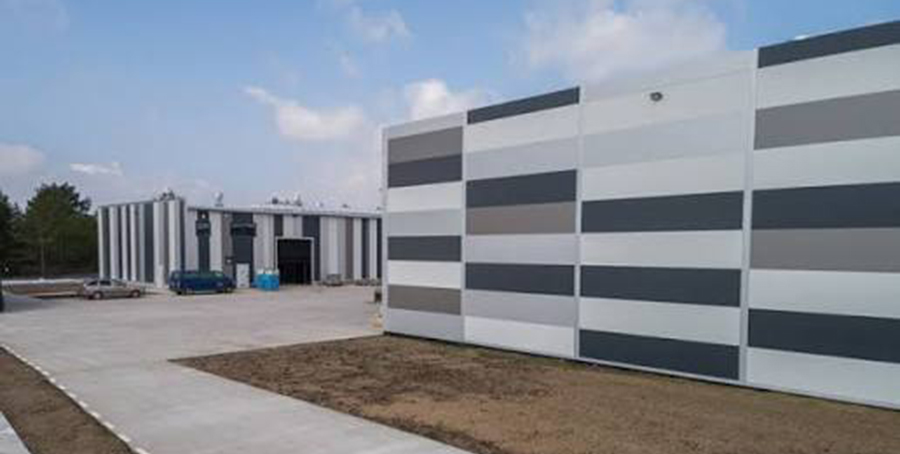
Estética superior – superfícies niveladas sem tiras de acabamento
Painéis com ranhuras nas quatro bordas aproximam-se da qualidade visual de fachadas cortina
|
Fator |
Chapa de Aço Ondulada |
Painel Sanduíche |
|
Transporte |
Custo Baixo, compacto, empilhável |
Alto, volumoso, requer manuseio cuidadoso |
|
Requisitos de Armazenamento |
Mínimos, pode ser armazenado ao ar livre |
Rigorosos, necessário armazenamento protegido contra intempéries |
|
Durabilidade no Manuseio |
Robusto ,tolera manuseio bruto |
Frágil, danos nas bordas comprometem o desempenho |
|
Espaço de armazenamento |
Pequeno |
Grande |
|
Estratégia de inventário |
Estocagem em massa possível |
Entrega just-in-time preferencial |
|
Medidas de proteção |
Simples, cobertura básica |
Complexa, protetores de borda, cintagem, embalagem à prova de intempéries |
|
Volume de envio por lote |
Alto |
Limitado |
|
Perda por rejeição/dano |
Baixa ,facilmente substituído ou aparado |
Alta, painéis danificados geralmente exigem substituição total |
|
Recomendação |
Adequado para estocagem em pátio aberto de grande volume |
Use entrega just-in-time; minimize o armazenamento no local |
Telhas de aço onduladas são tolerantes na logística. Seu perfil simples permite empilhamento compacto e transporte em massa a baixo custo. Elas toleram armazenamento ao ar livre e medidas de proteção básicas, tornando-as ideais para projetos de grande escala que exigem estocagem de material.
Painéis sanduíche, sendo produtos acabados, exigem manuseio meticuloso. Danos nas bordas podem comprometer o encaixe macho-fêmea e a vedação. As bordas de fábrica são vulneráveis e não podem ser aparadas no local sem perder o sistema de intertravamento. O armazenamento requer áreas cobertas e niveladas com suporte adequado para evitar empenamento. Os volumes de transporte são limitados devido ao tamanho e fragilidade dos painéis. A estratégia prudente é a entrega just-in-time com inventário mínimo no local para reduzir o risco de danos e os custos de armazenamento.
|
Parâmetro |
Telha de aço ondulada |
Painel sanduíche |
|
Histórico |
Século XIX – maduro |
Anos 1960 em diante – moderno |
|
Composição |
Apenas camada simples |
Composto com núcleo isolado |
|
Camadas de instalação |
3–5 estágios |
1 estágio |
|
Mão de obra por 100m² |
5 trabalhadores |
2,5 trabalhadores |
|
Espaçamento de terças |
≤ 1,5m |
2,5–4,0m |
|
Intervalo de manutenção |
~1 ano |
~3 anos |
|
Desempenho térmico |
Pobre, requer isolamento separado |
Excelente, integrado |
|
Resistência estrutural |
Baixa – fraca resistência à flexão |
Alta – ação composta |
|
Resistência à sucção de vento |
Vulnerável |
Superior |
|
Opções de acabamento de superfície |
Limitado, apenas ondulado |
Extenso, plano, texturizado, efeito madeira/pedra |
|
Qualidade estética |
Industrial, emendas visíveis |
Premium, nivelado, padrão de parede cortina |
|
Custo de transporte |
Baixo |
Alto |
|
Requisitos de armazenamento |
Simples, aceitável ao ar livre |
Complexo, protegido contra intempéries |
|
Estratégia logística |
Estocagem a granel |
Preferência por just-in-time |
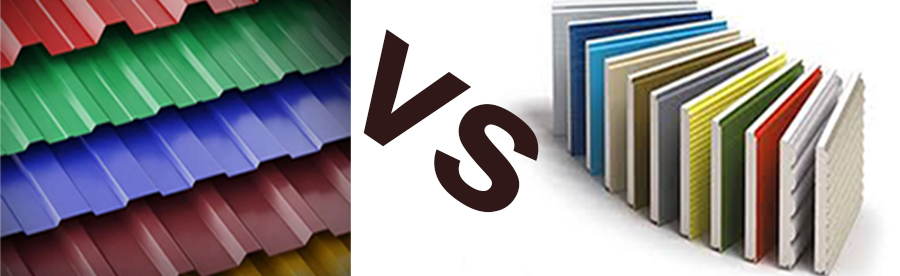
Telhas de aço onduladas e painéis sanduíche atendem a segmentos de mercado distintamente diferentes. As telhas onduladas permanecem como uma escolha econômica para abrigos industriais básicos, edifícios agrícolas e como deck estrutural onde o isolamento é instalado separadamente. Seu baixo custo, logística simples e ampla disponibilidade as tornam práticas para projetos de grande escala com orçamento limitado.
Painéis sanduíche, embora mais caros inicialmente, oferecem desempenho superior em praticamente todos os outros critérios — eficiência térmica, resistência estrutural, velocidade de instalação, qualidade estética e durabilidade a longo prazo. Para ambientes com temperatura controlada, edifícios comerciais premium e projetos que priorizam a eficiência energética e o apelo visual, os painéis sanduíche justificam seu maior investimento através de menores custos de manutenção, programas de construção mais rápidos e melhor desempenho operacional.
A escolha depende, em última análise, das prioridades do projeto: flexibilidade estrutural e orçamento (sistemas ondulados) versus desempenho integrado e acabamento premium (painéis sanduíche). Para arquitetos e engenheiros que especificam envoltórias de edifícios, entender essas diferenças fundamentais garante a seleção correta do material para cada aplicação única.
Para mais informações ou qualquer dúvida, sinta-se à vontade para entrar em contato com a equipe da Yumisteel.
anos de experiência



 serviço on-line
 +86-592-6095031
 manager@yumisteel.com
 Alina_Yuki
 +8613559086380+8615860744964
 português
 English
 русский
 español
 日本語
日本語