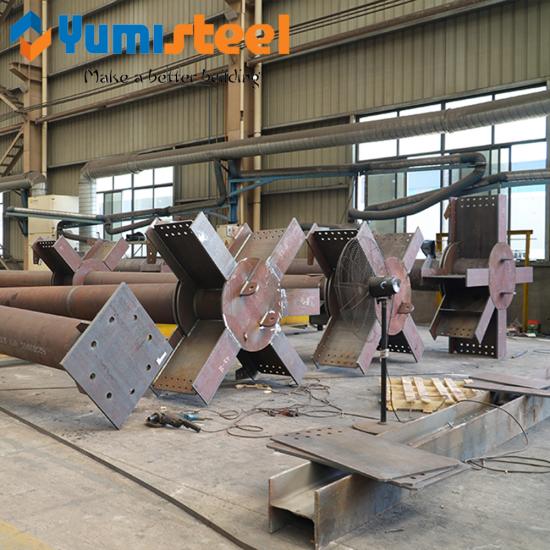

Métodos comuns de soldagem: TIG, MIG, MAG, GMAW, SMAW, FCAW, SAW, LBW
Métodos comuns de soldagem (abreviações em inglês)
|
Abreviações em inglês |
Significado |
|
TIG |
Soldagem a arco de argônio |
|
MIG |
Soldagem protegida por argônio |
|
MAG |
Soldagem protegida por CO2/gás misto |
|
GMAW |
Soldagem a arco com gás e metal (termo geral) |
|
SMAW |
Soldagem manual a arco metálico (soldagem com eletrodo revestido) |
|
FCAW |
Soldagem a arco com núcleo de fluxo |
|
SAW |
Soldagem a arco submerso |
|
LBW |
Soldagem por feixe de laser |
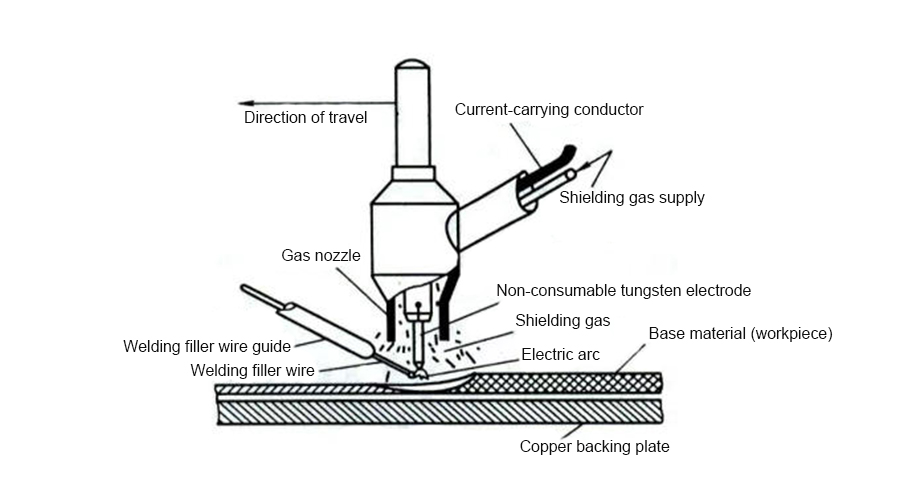
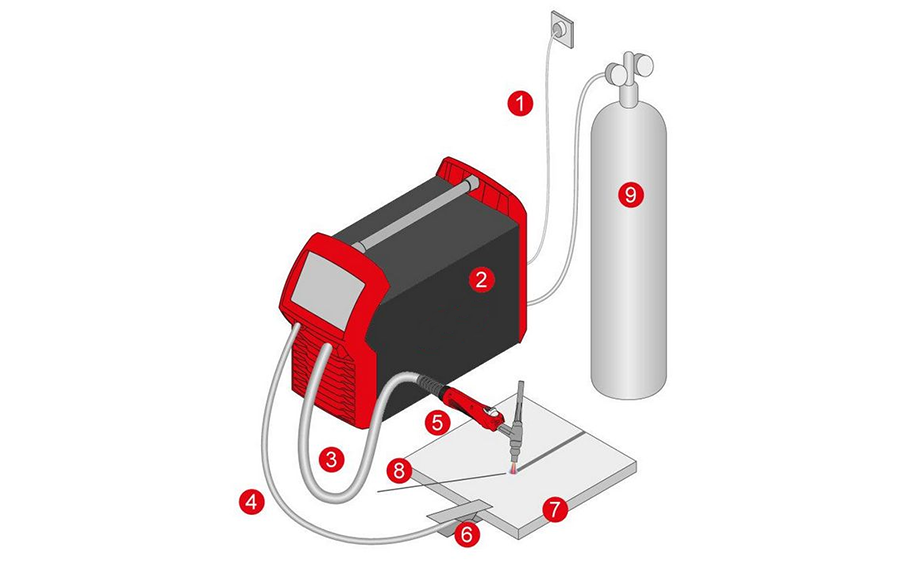 (Soldagem com gás inerte de tungstênio)
|
Princípio |
Utiliza um eletrodo de tungstênio não consumível e proteção por gás inerte (por exemplo, argônio); o arco funde o metal base, enquanto o material de adição é alimentado manualmente na poça de fusão. |
|
Características |
Produz soldas limpas e esteticamente agradáveis com uma pequena zona afetada pelo calor; adequada para soldagem de precisão, embora exija alta habilidade e ofereça menor eficiência. |
|
Aplicações |
Metais não ferrosos (aço inoxidável, ligas de alumínio, ligas de titânio) e componentes de precisão que exigem alta qualidade e aparência da solda. |
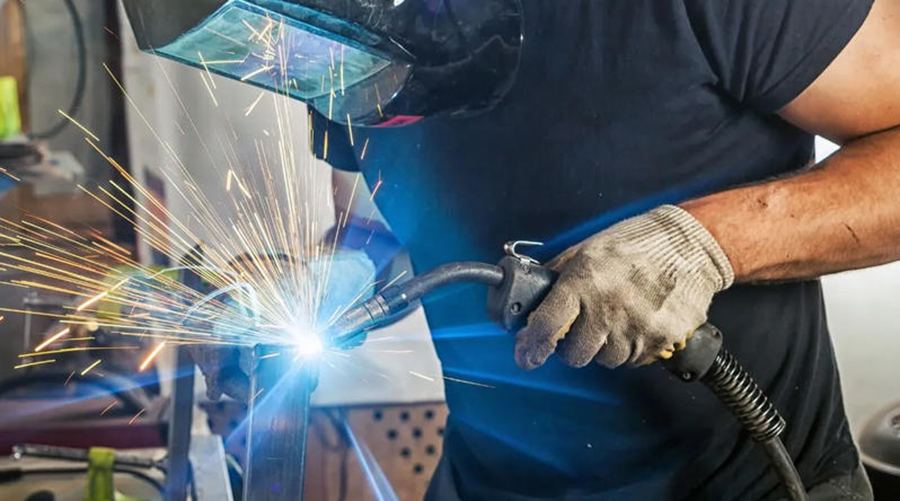
MIG (Soldagem com gás inerte metálico)
|
Princípio |
Utiliza um arame sólido como eletrodo e material de adição; emprega proteção por gás inerte e alimentação contínua de arame. |
|
Características |
Alta eficiência, boa formação do cordão de solda e mínimo respingo; adequada para soldagem em todas as posições, embora seja sensível às condições ambientais (requer proteção contra o vento). |
|
Aplicações |
Metais como aço inoxidável, alumínio e cobre; adequada para produção em massa e soldagem automatizada. |
MAG (Soldagem com gás ativo metálico)
|
Princípio |
Semelhante à MIG, mas utiliza gás ativo (por exemplo, CO2 ou misturas gasosas) para proteção; o gás participa das reações metalúrgicas. |
|
Características |
Arco mais estável, maior penetração e menor custo, embora produza relativamente mais respingos. |
|
Aplicações |
Aço carbono, aço de baixa liga, etc.; comumente utilizado em estruturas de aço, fabricação automotiva e áreas semelhantes. |
GMAW (Soldagem a Arco com Gás e Metal)
|
Princípio |
Termo geral que engloba MIG e MAG; a soldagem é realizada por meio de proteção gasosa e da fusão do arame de soldagem. |
|
Características |
Combina as vantagens de MIG e MAG; oferece uma ampla gama de aplicações com opções flexíveis de tipos de gás e arame. |
|
Aplicações |
Vários metais e ligas; adequada para soldagem semiautomática ou automática. |
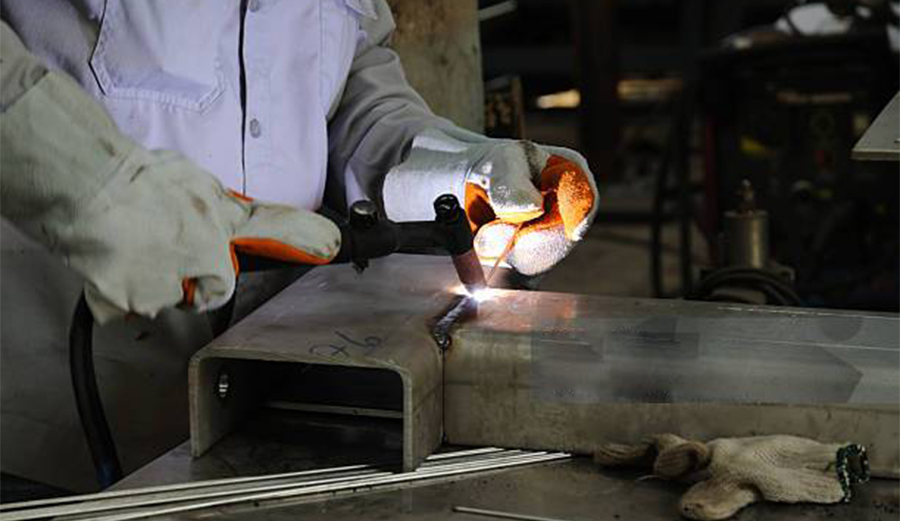
SMAW (Soldagem a Arco com Eletrodo Revestido / Soldagem Manual a Arco Metálico)
|
Princípio |
Utiliza um eletrodo revestido com fluxo; um arco é gerado entre o eletrodo e o metal-base, enquanto o revestimento produz gás de proteção e escória. |
|
Características |
Equipamento simples e portátil; capaz de realizar soldagem em todas as posições; entretanto, a eficiência é baixa, a qualidade da solda depende muito da habilidade do soldador e a formação de escória é comum. |
|
Aplicações |
Construção, manutenção e operações em campo; adequada para aço carbono, ferro fundido, etc. |
FCAW (Soldagem a Arco com Arame Tubular)
|
Princípio |
Utiliza arame tubular com fluxo interno; durante a soldagem, o fluxo gera gás de proteção e escória, permitindo operação com autoproteção ou proteção gasosa. |
|
Características |
Alta taxa de deposição, forte resistência à porosidade e adequada para soldagem de chapas espessas; entretanto, produz fumos, exigindo ventilação. |
|
Aplicações |
Construção naval, construção de pontes e manutenção de equipamentos pesados; adequada para aço carbono, aço inoxidável, etc. |
SAW (Soldagem a Arco Submerso)
|
Princípio |
O arco queima sob uma camada de fluxo granular; o arame é alimentado automaticamente e o fluxo fundido forma gás de proteção e escória. |
|
Características |
Eficiência extremamente alta, qualidade de solda consistente e ausência de brilho do arco ou fumos; entretanto, o equipamento é complexo e é adequada principalmente para soldas longas e retas na posição plana. |
|
Aplicações |
Soldagem de chapas espessas, vasos de pressão, pontes e outras estruturas de grande porte; adequada para aço carbono, aço inoxidável, etc. |
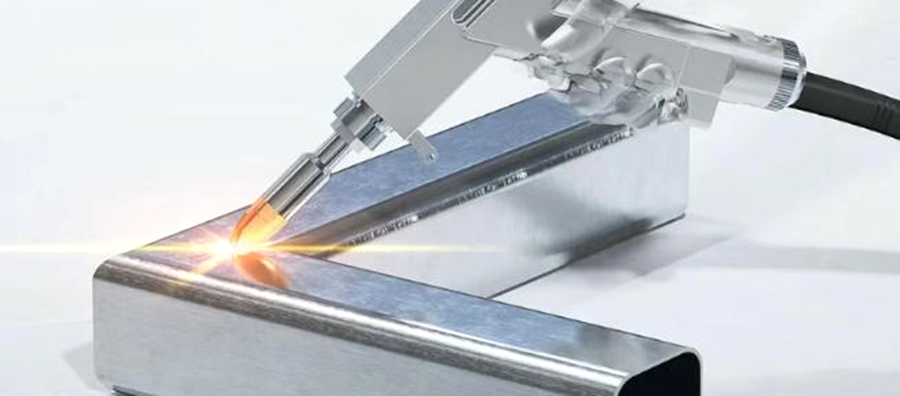
LBW (Soldagem por Feixe de Laser)
|
Princípio |
Utiliza um feixe de laser focalizado para fundir o material-base, realizando soldagem de precisão. |
|
Características |
Alta precisão, pequena zona afetada pelo calor, deformação mínima e adequação para automação; entretanto, os custos do equipamento são altos e há requisitos rigorosos quanto à limpeza da superfície da peça de trabalho. |
|
Aplicações |
Aeroespacial, eletrônica, dispositivos médicos, fabricação de chapas metálicas de precisão, etc.; adequada para uma ampla variedade de metais e ligas. |
TIG é adequada para soldagem de precisão e alta qualidade; MIG/MAG/GMAW é adequada para produção em massa e automação; SMAW é adequada para operações portáteis e flexíveis; FCAW é adequada para soldagem de chapas espessas; SAW é adequada para estruturas grandes de chapas espessas; LBW é adequada para aplicações de alta precisão e altamente automatizadas.
Para mais informações ou qualquer dúvida, sinta-se à vontade para entrar em contato com a equipe da Yumisteel.
anos de experiência



 serviço on-line
 +86-592-6095031
 manager@yumisteel.com
 Alina_Yuki
 +8613559086380+8615860744964
 português
 English
 русский
 español
 日本語
日本語