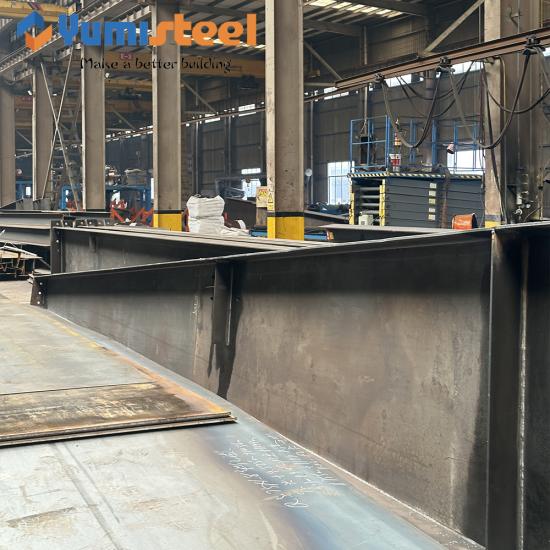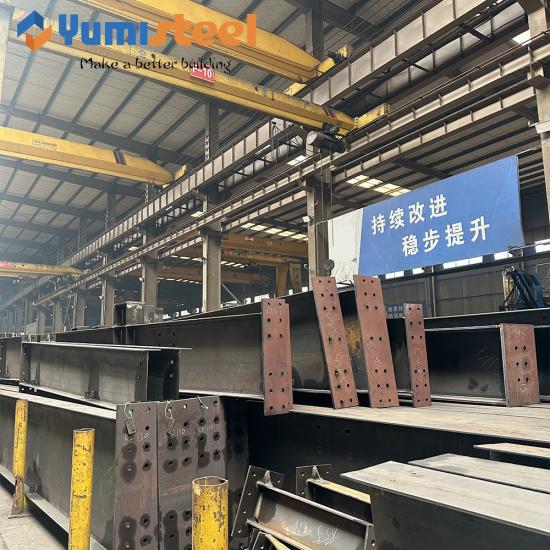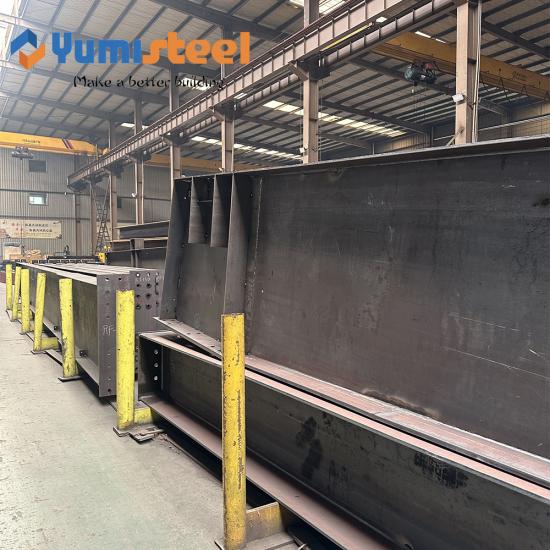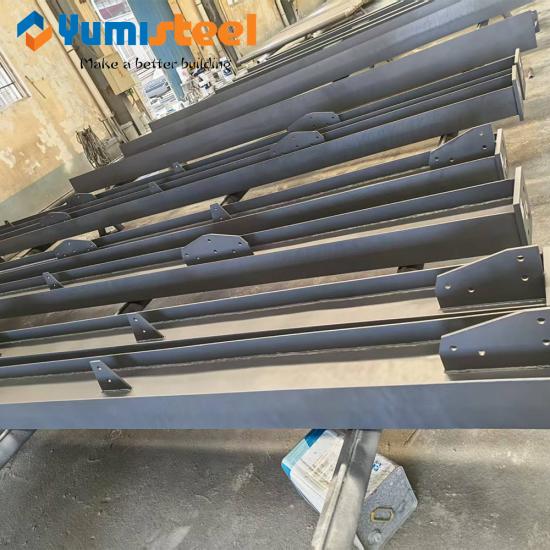

A galvanização por imersão a quente (HDG) é o processo de revestimento de produtos fabricados de aço e ferro, mergulhando-os em um banho de zinco fundido a aproximadamente 830°F (443°C). Essa reação metalúrgica entre o ferro presente no aço e o zinco fundido forma uma série de camadas intermetálicas de zinco-ferro fortemente unidas, cobertas por uma camada externa de zinco puro.
O Processo de HDG
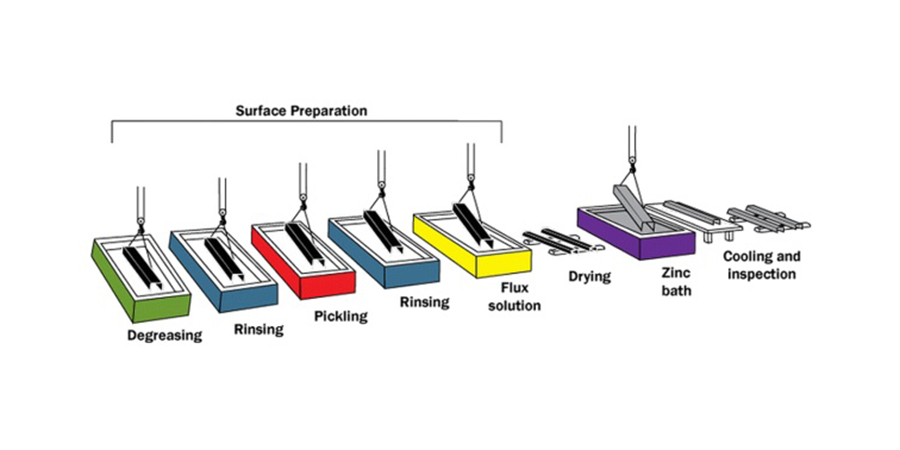
O processo de galvanização por imersão a quente consiste em três etapas fundamentais: preparação da superfície, galvanização e inspeção.
Preparação da Superfície
O aço passa por uma sequência rigorosa de limpeza para garantir uma superfície reativa. Isso normalmente envolve limpeza cáustica para remover contaminantes orgânicos, decapagem em uma solução de ácido diluído (ácido sulfúrico aquecido ou ácido clorídrico em temperatura ambiente) para remover carepa de laminação e ferrugem e, finalmente, aplicação de fluxo em uma solução aquosa — geralmente cloreto de zinco e amônio — para remover quaisquer óxidos restantes e evitar a formação de novos antes da galvanização.
Galvanização
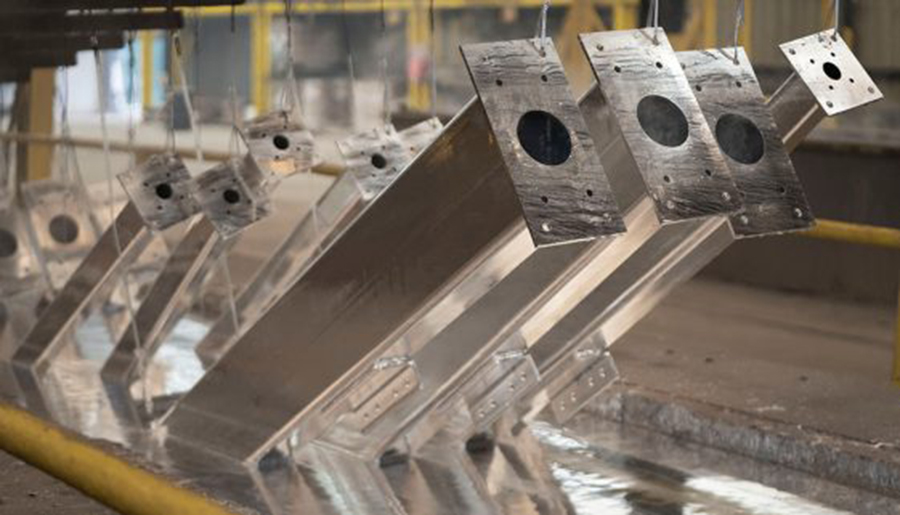
O aço preparado é completamente imerso em um banho de zinco fundido contendo pelo menos 98% de zinco puro. A temperatura do banho é mantida em torno de 830°F (443°C). Durante a imersão, o ferro presente no aço reage metalurgicamente com o zinco para formar as camadas de liga zinco-ferro. O aço é retirado lentamente para permitir o escoamento do excesso de zinco e garantir um revestimento liso e uniforme.
Inspeção
A fase final envolve a inspeção do revestimento acabado quanto à uniformidade, espessura e aderência às especificações, como EN ISO 1461 ou ASTM A153.
Principais Benefícios da HDG
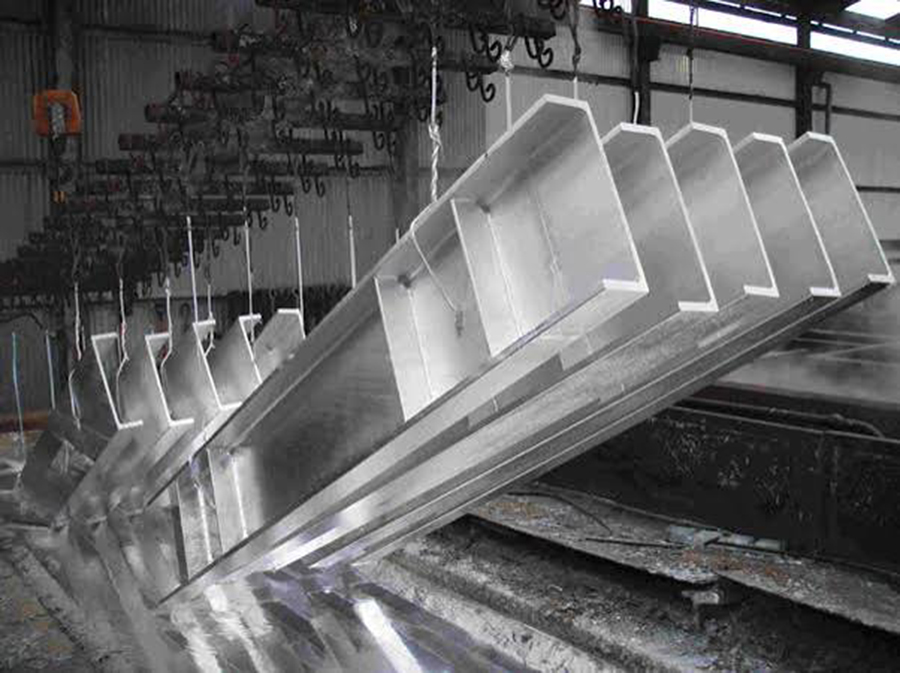
A galvanização por imersão a quente é amplamente reconhecida como um dos sistemas de proteção contra corrosão mais eficazes disponíveis, oferecendo uma combinação de benefícios incomparável com outros métodos de revestimento:
Proteção Catódica (Galvânica)
O zinco é anódico em relação ao aço, o que significa que ele corrói preferencialmente para proteger o substrato de aço subjacente. Mesmo se o revestimento for riscado ou danificado, o zinco ao redor irá se sacrificar para proteger áreas de aço expostas a até ¼ de polegada de distância.
Proteção por Barreira
O revestimento firmemente aderente fornece uma barreira metálica impermeável que isola o aço de elementos ambientais como umidade e oxigênio, que são necessários para a corrosão.
Durabilidade e Longevidade
Os revestimentos galvanizados por imersão a quente são conhecidos por sua longa vida útil sem necessidade de manutenção. As camadas de liga zinco-ferro são mais duras que o aço base, proporcionando excelente resistência à abrasão. Na maioria dos ambientes atmosféricos, o aço HDG pode proteger estruturas por 50 a 75 anos ou mais.
Cobertura Completa
O processo de imersão garante um revestimento uniforme em todas as superfícies, incluindo bordas, cantos e interiores de estruturas ocas.
Sustentabilidade
O zinco é um material natural e totalmente reciclável. A longa vida útil do aço galvanizado reduz o impacto ambiental associado à manutenção e substituição, tornando-o uma escolha sustentável de material para projetos de infraestrutura e construção.
Aplicações da HDG
O aço galvanizado por imersão a quente é um material essencial em diversos setores. O setor da construção continua sendo o maior consumidor, utilizando aço HDG em estruturas metálicas, coberturas, pontes e infraestrutura rodoviária. A indústria automotiva depende dele para painéis de carroceria e componentes estruturais, aumentando a vida útil dos veículos. Outros mercados importantes incluem energia renovável (sistemas de montagem solar e estruturas de turbinas eólicas), serviços públicos, data centers, agricultura e fabricação industrial.
A galvanização por imersão a quente é um método comprovado e econômico de proteção contra corrosão usado há mais de 100 anos. Ela funciona mergulhando o aço em zinco fundido para formar um revestimento resistente. Ideal para pontes, cercas e muito mais, proporciona longa vida útil com manutenção mínima. Compreender como ela funciona ajuda a construir estruturas que resistem ao teste do tempo.
Para obter mais informações ou realizar qualquer consulta, sinta-se à vontade para entrar em contato com a equipe da Yumisteel.
anos de experiência



 serviço on-line
 +86-592-6095031
 manager@yumisteel.com
 Alina_Yuki
 +8613559086380+8615860744964
 português
 English
 русский
 español
 日本語
日本語